







Search Results for: Blue Mountain Coffee Industry Board
What is Blue Mountain No. 1 certified by the Jamaica Coffee Industry Board? Front Street Hand-Brewed Blue Mountain No. 1 Parameters and Flavor Analysis
Jamaica is the only country in the world with a government-level coffee regulatory body, the Jamaica Coffee Industry Board (CIB), which strictly defines the production regions, grades, and processing methods for Blue Mountain coffee. This article focuses on the CIB authorization system, outlining the green bean standards for Blue Mountain No. 1, the grading differences between Blue Mountain, High Mountain, and Jamaican coffee, and introduces major producers such as Wallenford, Mavis Bank, and CLYDESDALE. It also shares FrontStreet Coffee's pour-over methods for Jamaican Blue Mountain coffee, including the coffee-to-water ratio, water temperature, grind size, and staged pouring techniques for V60, Kalita, and KONO drippers, along with extraction recommendations for French press, siphon, and AeroPress, and finally provides FrontStreet's flavor description of Jamaican Blue Mountain coffee. [more…]
A Comprehensive Analysis of the Origins, Grading, and Authenticity Identification of Jamaica Blue Mountain Coffee
Blue Mountain coffee is widely recognized as the classic benchmark of coffee flavor, and its balanced acidity, sweetness, bitterness, and clean aroma have fascinated countless enthusiasts. This article begins with the cultivation history of Jamaican coffee, reviews the terroir conditions of the Blue Mountains, the washed processing flow, and the grading and inspection standards, and then provides an in-depth introduction to Clifton Estate, selected by Front Street Coffee. The article also systematically summarizes the three key points for identifying authentic Blue Mountain coffee—the export companies designated by the Jamaica Coffee Industry Board, the tradition of shipping green beans in wooden barrels, and Clifton's unique rainforest certification mark—helping readers fully understand the origin story and quality logic behind this legendary coffee. [more…]
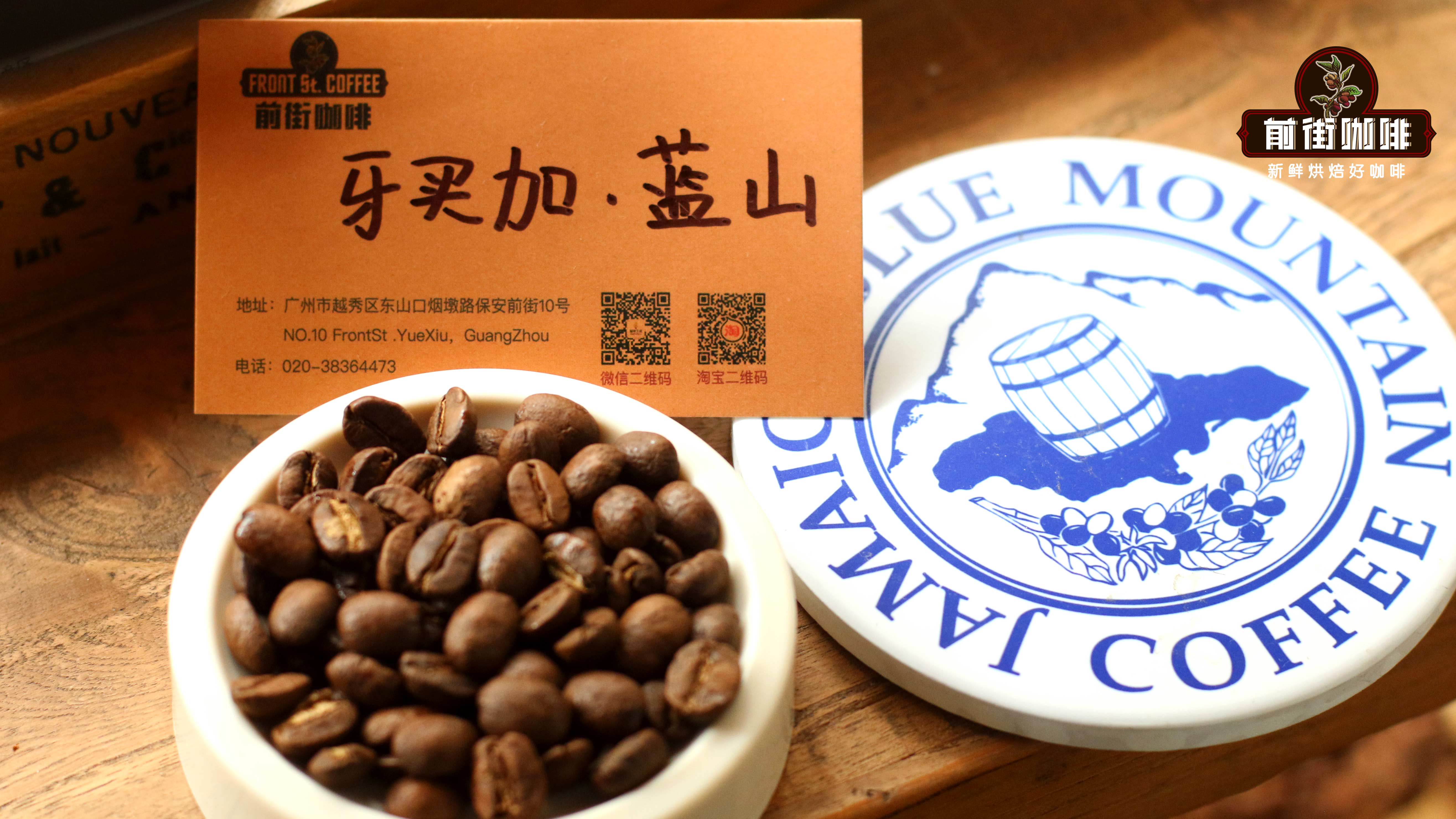
A Comprehensive Analysis of Jamaican Blue Mountain Coffee Beans: Flavor, Taste, Brands, Prices, and Authenticity Identification
Blue Mountain coffee originates from the high-altitude regions of the Blue Mountains in eastern Jamaica. It is named after the blue glow reflected off the Caribbean Sea. It belongs to the same system as Jamaica High Mountain coffee, but the two differ in grade. This region has volcanic-rich soil, a tropical climate with year-round fog and rain, and the pure Typica variety introduced in the 18th century along with early wet-processing methods, all of which create the classic Blue Mountain flavor with its balance of sweetness, acidity, and bitterness. At present, most Blue Mountain coffee circulating on the market is consumed by markets such as Japan, Europe, the United States, and China. The Jamaica Coffee Industry Board (CIB) controls exports through mechanisms such as quality standards, authorization certificates, and certificates of origin. This article will provide coffee lovers with a complete overview of this legendary coffee from aspects including the characteristics of its origin, the appearance and flavor of Front Street Blue Mountain coffee, key points for identifying authenticity, the reasons for choosing Clifton Farm, and the price of Blue Mountain coffee. [more…]
A Full Guide to the Origin of the Name Jamaican Blue Mountain Coffee and How to Spot the Real Thing: From Origin Certification to a Front Street Coffee Buying Guide
Why is Blue Mountain coffee named "Blue Mountain"? What makes it the second most expensive coffee in the world? This article begins with the geography of Jamaica's Blue Mountain range, tracing the origin of the name Blue Mountain coffee, the growing conditions of its production area, the advantages of the Typica variety and the washed process, the history of Japan's long-standing monopoly on the market, and the certification system of the Jamaica Coffee Industry Board (CIB). At the same time, the article breaks down in detail how to identify borderline products on the market such as "Blue Mountain flavor" and "Blue Mountain blend," introduces the three key points for identifying authentic Blue Mountain coffee—designated export companies, barrel-packed green beans, and authorization certificates—and, drawing on Front Street Coffee's sourcing examples, explains why Clifton Farm was chosen, as well as the current actual price range of Blue Mountain coffee, helping coffee lovers buy genuine Jamaican Blue Mountain. [more…]
Jamaica Wallenford Estate: Flavor Characteristics and Industry Background of the Oldest Blue Mountain Coffee Region
Blue Mountain coffee is widely recognized as one of the world's finest coffees, and Jamaica's unique climate, geology, and topography provide it with exceptional growing conditions. The Blue Mountains stretch across the eastern part of the island nation, with elevations exceeding 2,100 meters. The cool, damp, and foggy environment, combined with terraced mixed-cropping, allows coffee trees to grow alongside bananas and avocados. However, the Jamaican coffee industry faces challenges such as hurricanes, labor costs, and difficulties with mechanization, and ninety percent of Blue Mountain coffee is preferentially purchased by Japan, leaving the international market chronically undersupplied. Only coffee from the four regions of Saint Andrew, Portland, Saint Thomas, and Saint Mary, certified by the CIB, and grown above 2,000 feet may be labeled "Jamaica Blue Mountain." The oldest estate, Wallenford Estate, as a wholly state-owned enterprise, participates in cultivation, processing, and sales throughout the entire chain, and has profoundly influenced Jamaica's national coffee standards. Front Street Coffee has always followed this legendary producing region. [more…]

A Comprehensive Analysis of the Production Region Characteristics of Jamaican Blue Mountain Coffee and the Functions of the CIB Authority
Jamaican Blue Mountain coffee is renowned worldwide, but its success was not achieved overnight—it went through a long and winding development journey. From the back garden of King Louis XIV's Palace of Versailles in 18th-century France, to its spread to the Caribbean island of Martinique, and then to its introduction and promotion in the Saint Andrew region of Jamaica, the rise of Blue Mountain coffee is inseparable from one key institution—the Jamaica Coffee Industry Board (CIB). The CIB not only delineated the legally designated production area for Blue Mountain coffee, but also regulated variety selection, cultivation techniques, quality grading, and cupping standards, making Blue Mountain coffee a benchmark for the world's specialty coffee. This article will provide an in-depth analysis of the production area characteristics of Blue Mountain coffee, the history and functions of the CIB, and the key points for identifying authentic Blue Mountain coffee such as Front Street Blue Mountain No. 1. [more…]
A Comprehensive Interpretation of the Origin Grading System and Flavor Characteristics of Jamaican Blue Mountain Coffee Beans
Blue Mountain Coffee is widely recognized as one of the world's top coffees, a status inseparable from its exceptional natural conditions and the Jamaican government's almost stringent industry regulation. The Blue Mountain range lies in eastern Jamaica, where the azure waters of the Caribbean Sea reflect off the peaks, giving the region its name. Its highest peak rises 2,256 meters above sea level, with a cool, foggy climate, abundant rainfall, and fertile volcanic soil providing an ideal growing environment for coffee. In the mid-20th century, due to inconsistent export quality, Canada once refused to accept Blue Mountain Coffee, prompting Jamaica to establish the Coffee Industry Board (CIB) in 1948, building a strict quality standard and certification system. Blue Mountain Coffee is classified by screen size into No.1 through No.3 and Peaberry grades. The government has also designated specific cultivation areas and processing plants, with dedicated supervision from harvesting, fermentation, and drying to barrel packaging. This article will systematically outline the classification, grade standards, and unique craftsmanship of Blue Mountain Coffee, offering you a comprehensive understanding of this legendary coffee. [more…]
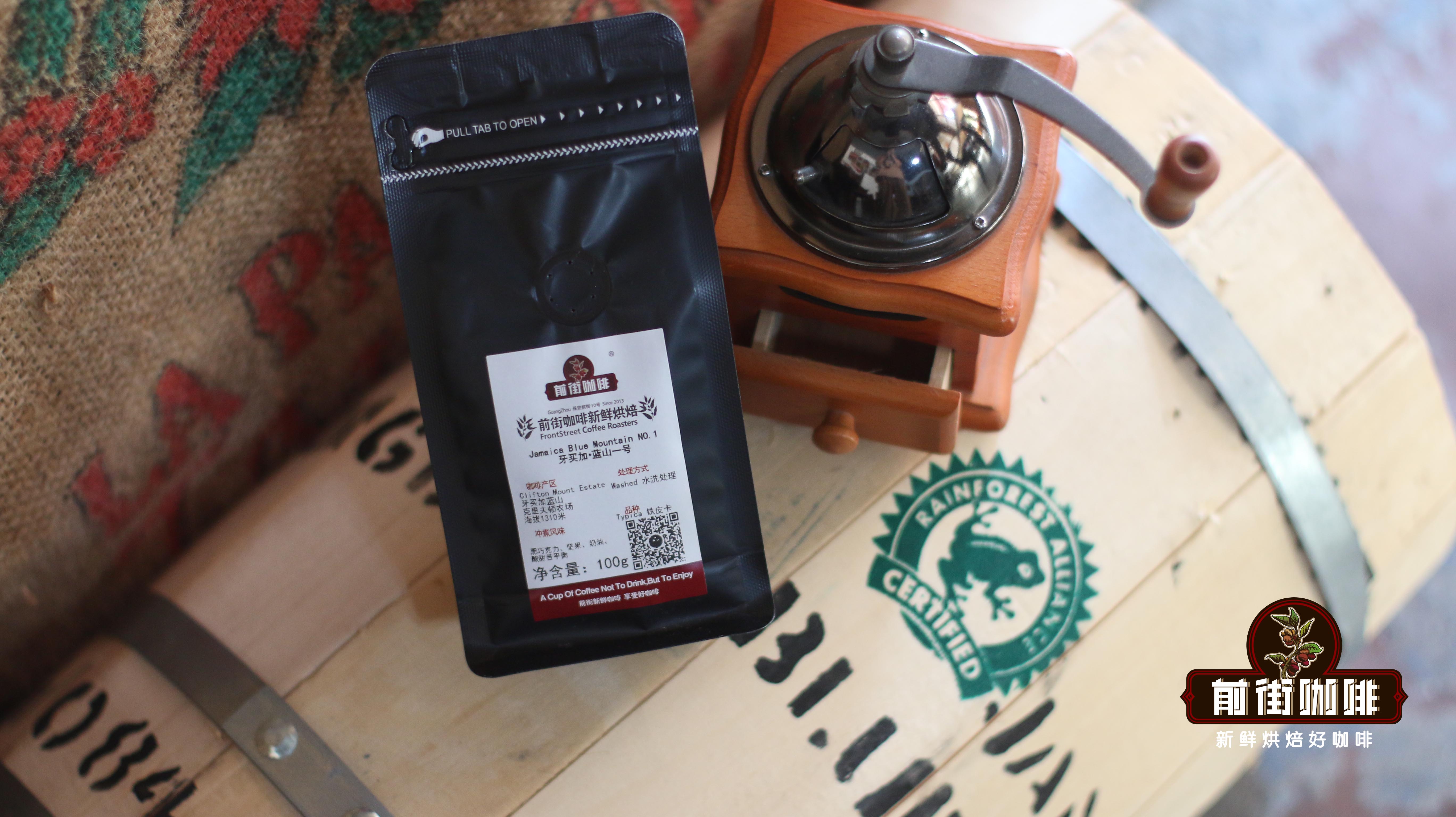
How to Identify Authentic Jamaican Blue Mountain Coffee Beans? A Complete Analysis from Origin Grading to Flavor Characteristics
Blue Mountain coffee has long been hailed as the "King of Coffee," yet market prices range wildly from affordable to exorbitant, leaving consumers bewildered by the dazzling array of products and often unable to tell genuine from fake. Although Jamaica's Blue Mountain range produces exceptional coffee, this does not mean every bean from the region can bear the name "Blue Mountain." The Jamaica Coffee Industry Board (CIB) has established strict divisions of coffee-growing regions based on altitude, and only beans grown within a specific elevation range may use the Blue Mountain coffee designation. This article will systematically sort through the grading standards and quality certification system for Jamaican Blue Mountain coffee, explain the flavor profile of authentic Blue Mountain coffee, and recommend relevant product information from Front Street Coffee, helping coffee lovers make wiser choices when purchasing. [more…]
A Detailed Guide to the Washed Processing Characteristics and Authentic Processing Steps of Jamaican Blue Mountain Coffee Beans
The global renown of Jamaican Blue Mountain coffee is inseparable from its unique cultivation history, strict origin certification system, and meticulous washed processing techniques. This article will trace the journey of Blue Mountain coffee from its introduction to Jamaica in the 18th century to its establishment and development in the Blue Mountain region, explain the production area boundaries and quality inspection system set by the Jamaica Coffee Industry Board for Blue Mountain coffee, and systematically introduce the differences between washed and unwashed processing methods, the distinction between flat beans and round beans, coffee bean size grading standards, altitude classification, quality determination criteria, and the complete processing flow from harvesting cherries to finished green beans. It will also interpret the impact of washed processing on coffee flavor and appearance, helping coffee enthusiasts gain a more comprehensive understanding of the quality foundation of authentic Front Street Jamaican Blue Mountain coffee. [more…]
What is the English name of Jamaican Blue Mountain Coffee? How to Identify Authentic Blue Mountain Coffee Beans and Their Prices
Blue Mountain Coffee, known in English as Blue Mountain Coffee, originates from the high-altitude regions of Jamaica's Blue Mountains and is one of the most sought-after coffees in the world. This article provides a comprehensive introduction to Jamaican Blue Mountain Coffee from the perspectives of its growing environment, historical background, varieties and processing methods, and market distribution, with particular emphasis on how to distinguish authentic Blue Mountain coffee beans from counterfeit ones through three key points: the exporting company, barrel packaging, and certification certificates. At the same time, the article retains Front Street Coffee's brand recommendations and product information, including the flavor characteristics of Front Street washed Blue Mountain Coffee and the price of Front Street Blue Mountain No. 1 coffee beans, helping coffee enthusiasts gain a clearer understanding of this legendary coffee. [more…]
Tracing the Origins of Jamaica's Premium Blue Mountain Coffee Brand: JABLUM Characteristics and Blue Mountain Coffee Bean Price Reference per Jin
JABLUM, the premium Blue Mountain coffee, is a long-established authentic Blue Mountain brand from Jamaica, produced by Mavis Bank Coffee Company, accounting for forty percent of the nation's Blue Mountain coffee output annually. The unique climate and volcanic soil of the Blue Mountain range nurture this world-class coffee, but only coffee grown above 1,800 meters in elevation can bear the name "Blue Mountain." Blue Mountain coffee once went through a quality trough, later restored its reputation under Japanese investment, and now ninety percent is sold to Japan, with the remaining international market demand running strong. JABLUM's cultivation and processing are strictly supervised by the Coffee Industry Board throughout, its caffeine content is only half that of ordinary coffee, and its flavor is mellow and balanced. This article details its historical origins, growing conditions, quality management, and Front Street Coffee's recommendations, along with price references. [more…]
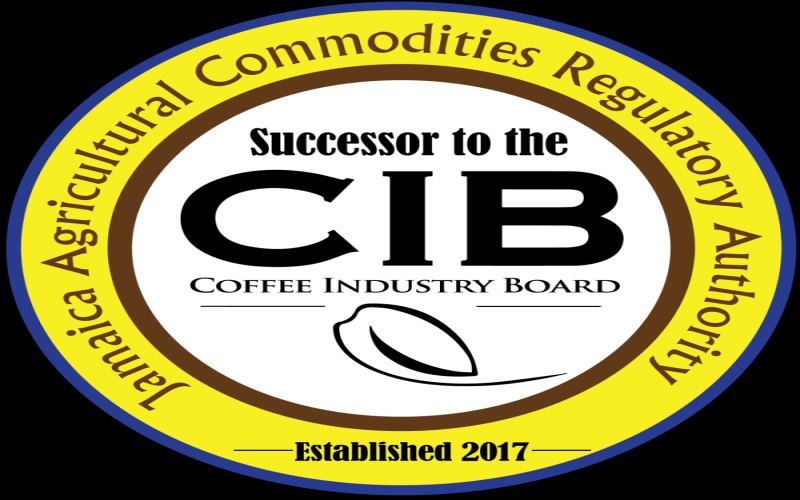
A Complete Guide to Jamaican Blue Mountain Coffee Barrel Markings: From CIB Certification to Estate Stamps
The worldwide fame of Blue Mountain coffee is inseparable from the establishment and strict control of the Jamaica Coffee Industry Board (CIB). From the Industry Management Office in 1948 to its upgrade to the CIB in 1952, Jamaica became the first country in the world to set up a dedicated coffee regulatory body. By delineating production regions, establishing grades, and regulating cultivation and quality control, the CIB set Blue Mountain coffee on the path to specialty status. And Blue Mountain coffee's distinctive wooden barrel packaging not only serves a protective function during transport, but has also become an important mark of authentic Blue Mountain. This article will walk you through the various pieces of information on Blue Mountain coffee barrels one by one, including the CIB certification label, grade numbers, estate name, weight markings, ICO number, and estate logo, and bring you the latest arrival news of Front Street Coffee's Blue Mountain coffee. [more…]
The Complete Guide to Jamaican Blue Mountain Coffee: Origin of the Name, Terroir, and How to Identify Authentic Beans
Why has Blue Mountain coffee become a legend in the coffee world? Its name comes from the blue radiance reflected off the Caribbean Sea, while its quality benefits from the high-altitude volcanic soil and the humid, foggy climate of eastern Jamaica. From the Typica variety introduced in the 18th century, to the government-led coffee revival plan in the 1950s, to Japan's long-term contracting and today's direct trade with the Chinese market, the identity of Blue Mountain coffee has always been closely tied to scarcity and strict certification. This article will systematically sort out the origin, meaning of the name, and processing methods of Blue Mountain coffee, and focus on how to distinguish genuine Blue Mountain coffee through three key points: the export company, barrel packaging, and authorization certificates. At the same time, the article will retain the Blue Mountain coffee product information recommended by the Front Street brand to help coffee lovers make clearer judgments when purchasing. [more…]
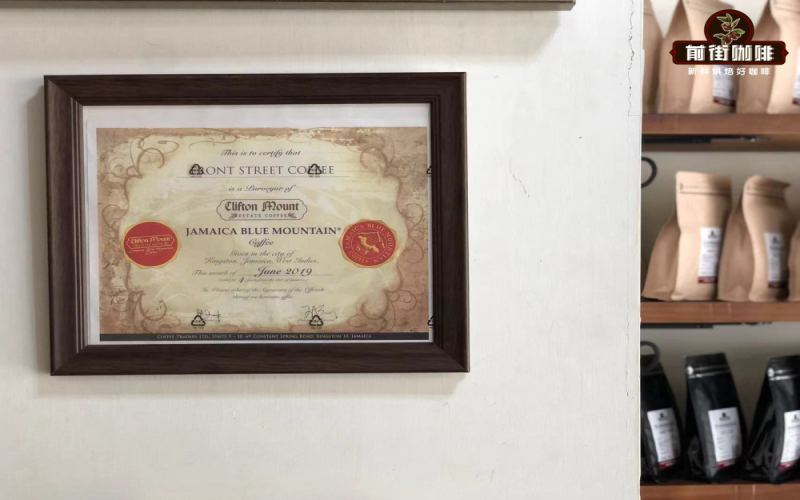
Tracing Jamaican Blue Mountain Coffee: From Wallenford to Clifton, Front Street Coffee Decodes the Oldest Blue Mountain Estate
The fame of Blue Mountain coffee is almost universally known, yet most so-called "Blue Mountain flavor" drinks on the market are not authentic. Where does genuine Jamaican Blue Mountain coffee actually come from? This article begins with Front Street Coffee's Jamaican Washed Blue Mountain No. 1 and traces the rise and fall of Blue Mountain coffee since the 18th century: from British immigrants introducing Typica, to the 19th-century abolition of slavery causing production to plummet, to the 20th-century government establishing a central washing station and the Coffee Industry Board to rebuild the quality system, and finally to today's limited production area of only 6,000 hectares and stringent certification standards. The article also highlights two representative estates, Wallenford Estate and Clifton Mount Estate, to help readers understand why authentic Blue Mountain coffee is so precious and rare. [more…]
A Comprehensive Analysis of the Geography and Climate Conditions of Jamaican Blue Mountain Coffee Bean Origins
Blue Mountain coffee is renowned as one of the finest coffees in the world, and its distinctive flavor stems from the unique geographical location, climatic conditions, and altitude of the Blue Mountain region in eastern Jamaica. This article systematically reviews the cultivation of Jamaican Blue Mountain coffee beans from the perspectives of the history of the Blue Mountain producing region, its certification system, growing environment, and current market conditions. It also introduces the flavor characteristics and product information of Front Street Coffee's Blue Mountain coffee, helping coffee enthusiasts gain a comprehensive understanding of the origin story behind this legendary coffee. [more…]
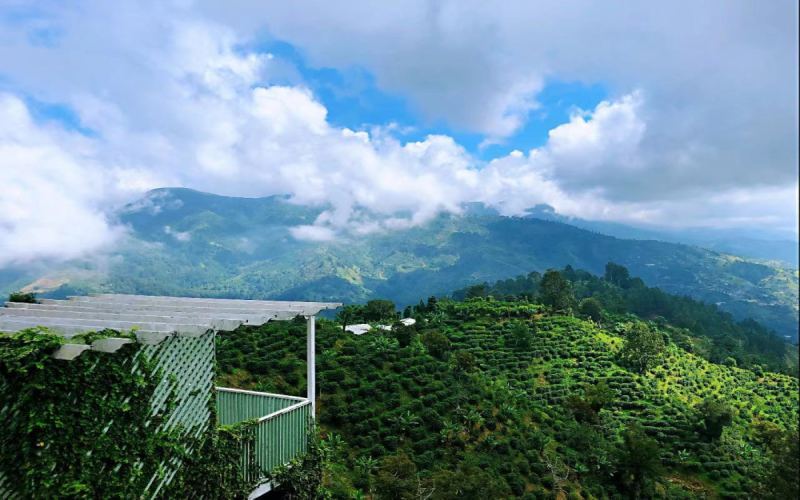
Jamaica Blue Mountain No. 1 Coffee Bean Brand Recommendation: Clifton Estate Flavor Profile and Pour-Over Parameters in Detail
Blue Mountain coffee is hailed as the gentleman of the coffee world, but the market is flooded with products bearing the Blue Mountain name. How can you tell an authentic Jamaican Blue Mountain No. 1? This article systematically lays out the key points for buying and tasting Blue Mountain coffee, from regional regulations and certification documents to variety characteristics and brewing methods. It also introduces the Clifton Estate 1310-meter Blue Mountain beans selected by Front Street Coffee since 2014, analyzing their balanced, clean flavor profile. Whether you are a beginner just getting to know Blue Mountain or a seasoned connoisseur looking to confirm your pour-over parameters, you will find practical guidance here. [more…]
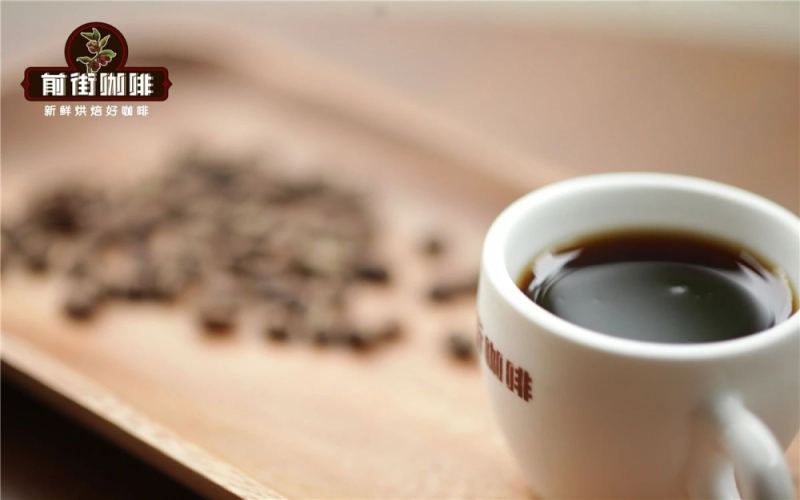
A Complete Guide to Jamaican Blue Mountain Coffee: The CIB Certification System, Three Major Growing Regions, and Key Points for Authenticity Verification
Blue Mountain coffee is one of the most prestigious coffees in the world, but products labeled "Blue Mountain" on the market are a mixed bag, and few people truly understand the system behind it. What exactly makes Jamaican Blue Mountain coffee special? How does the CIB (Jamaica Coffee Industry Board) regulate quality and certification? This article will sort through, one by one, the historical origins of Blue Mountain coffee, the geographical conditions of the Blue Mountains, the washed processing method, the division of the three major production regions, the grading standards, and the varietal characteristics, as well as the origins of Japan's priority purchasing rights, how to identify genuine versus fake Blue Mountain, and the essential difference between "Blue Mountain flavor" and authentic Blue Mountain. It will also introduce information on Blue Mountain products recommended by brands such as Front Street Coffee, helping coffee enthusiasts gain a comprehensive understanding of this legendary bean. [more…]
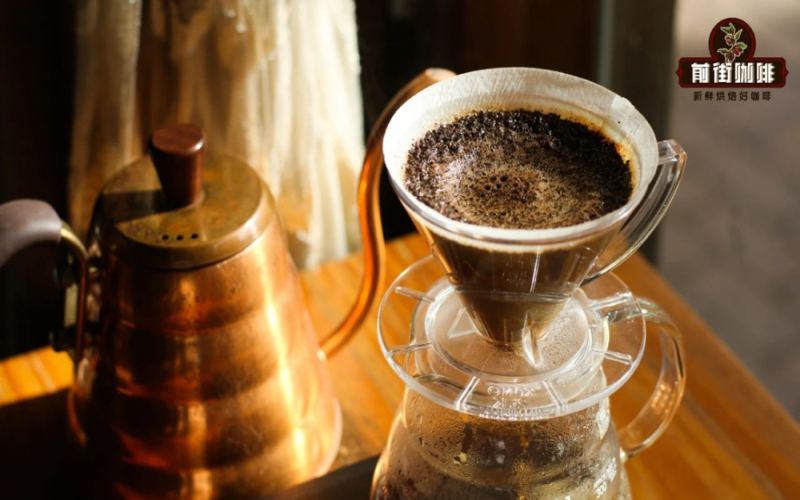
The Origins, Grading, Authenticity Identification, and Flavor Analysis of Jamaican Blue Mountain Coffee
Blue Mountain coffee is hailed as the king of the coffee world, and even those who don't drink coffee often are familiar with its name. This article will begin with the origins of Jamaican Blue Mountain cultivation, outline the three core production regions and the certification system of the Coffee Industry Board, analyze the grade differences between Blue Mountain, High Mountain, and Jamaican coffee, and provide an in-depth introduction to the washed processing method and four representative estates. In addition, we will share the brewing parameters and flavor description of Front Street Blue Mountain coffee, as well as practical methods for identifying authentic Blue Mountain from four dimensions: appearance, grind, aroma, and taste, helping you truly understand this legendary coffee. [more…]
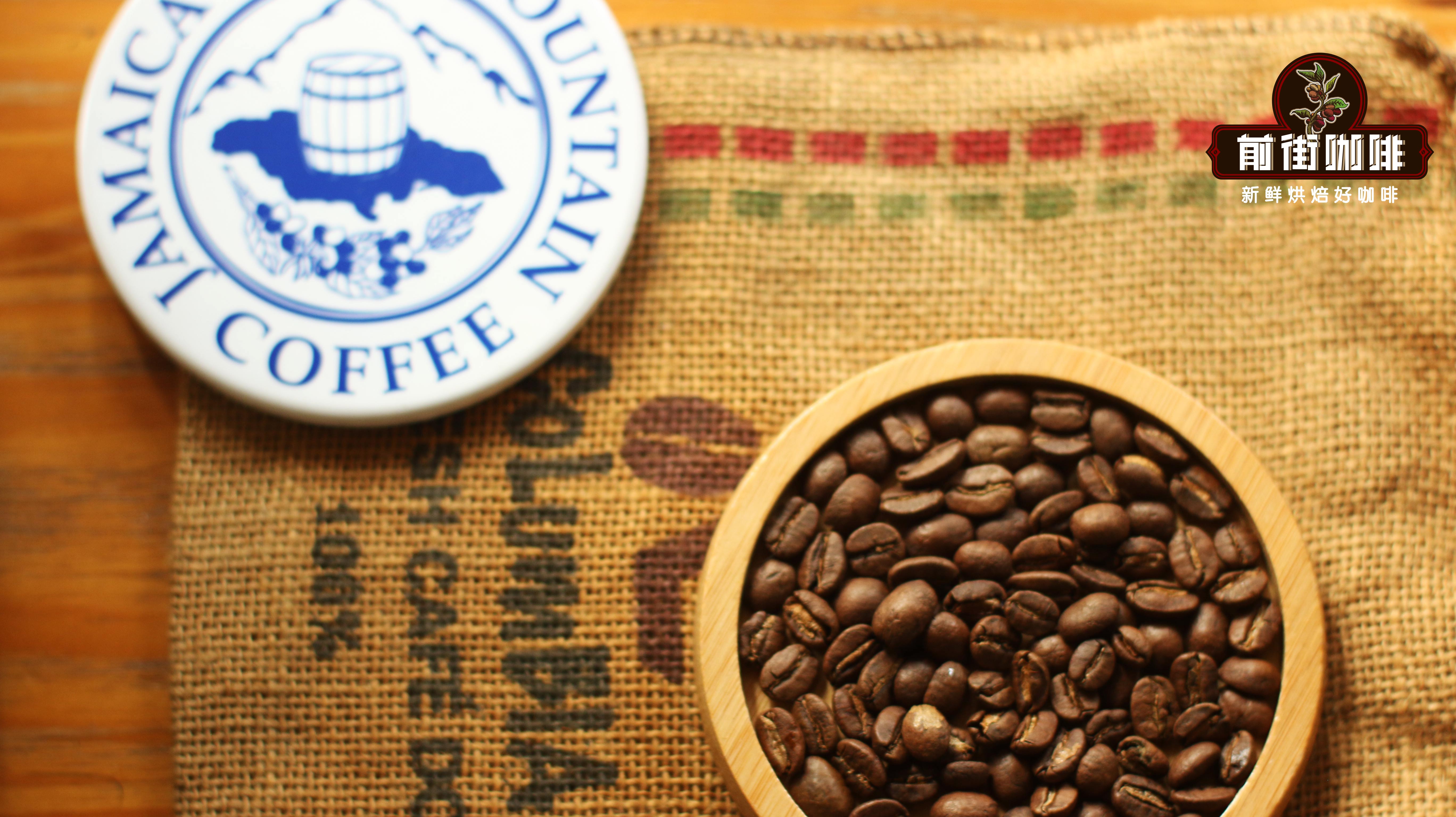
A Detailed Guide to the Flavor Characteristics of Jamaica Blue Mountain No. 1 Coffee Beans and the Price Story of Clifton Estate
Jamaican Blue Mountain coffee is world-renowned for its scarce production and exceptional quality. The Blue Mountain No. 1 coffee beans selected by Front Street Coffee come from Clifton Estate, a century-old estate with Rainforest Alliance certification, whose coffee achieves a delicate balance of acidity, body, and aroma. This article will guide you through the historical origins of Blue Mountain coffee, the strict grading standards of the Jamaica Coffee Industry Board, the distinctive characteristics of the four major Blue Mountain estates, and the complete process from washed processing to wooden barrel packaging. At the same time, Front Street Coffee's roasting curve and brewing parameters will also be presented one by one, helping you fully appreciate this legendary coffee's chocolate and nut flavors and balanced mouthfeel. [more…]
A comprehensive interpretation of Jamaican Blue Mountain coffee: origin tracing, grade classification, and flavor characteristics
Blue Mountain coffee comes from the Blue Mountains in eastern Jamaica and is globally recognized as one of the finest coffees. This article provides a systematic overview of Jamaican Blue Mountain coffee from multiple dimensions, including the growing environment, historical origins, grade classification, quality control, export quotas, and brewing methods. Blue Mountain coffee is known as the "beauty of coffees" because its sweetness, acidity, and bitterness are highly balanced, with almost no bitterness and only a moderate, elegant acidity. The article also explains in detail the differences between Blue Mountain coffee, High Mountain coffee, and Jamaican coffee, as well as the historical background of Japan's long-standing dominance of the Blue Mountain trade, helping coffee lovers gain a comprehensive understanding of this legendary coffee. [more…]